A heart attack is a serious medical emergency that can be life-threatening. They occur when the heart’s blood supply is blocked or reduced, usually due to a build-up of plaque in the coronary arteries. Understanding heart attack causes, symptoms and prevention can help you take steps to reduce your risk and stay healthy.
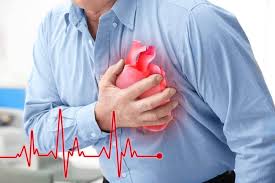
Causes of heart attack:
The most common cause of heart attack is atherosclerosis, which is a build-up of plaque in the arteries that supply blood to the heart. Plaque is made up of cholesterol, fat and other substances that can narrow the arteries and reduce blood flow to the heart. Other causes of heart attack include blood clots, coronary artery spasm and heart valve problems.
Symptoms of heart attack:
Heart attack symptoms can vary from person to person, but they often include:
Chest pain or discomfort: This is the most common symptom of a heart attack. It may feel like pressure, tightness or constriction in the chest. The pain may also spread to the arms, neck, jaw, back or abdomen.
Shortness of breath: This can occur with or without chest pain. You may feel like you can’t catch your breath or are gasping for air.
– Nausea or vomiting: This may occur with or without chest pain.
-Sweating : You may break out in a cold sweat or feel clammy.
Dizziness or lightheadedness: You may feel faint or dizzy.
Fatigue: You may feel extremely tired or weak.
If you experience any of these symptoms, it is important to seek medical help immediately.
Heart attack prevention:
There are several steps you can take to reduce your risk of heart attack:
Quit smoking: Smoking is a major risk factor for heart attack. If you smoke, quitting can help reduce your risk.
Eat a healthy diet: A diet rich in fruits, vegetables, whole grains, lean proteins and healthy fats can help reduce the risk of heart attack.
Exercise regularly: Regular exercise can help keep your heart healthy and reduce your risk of heart attack.
Manage stress: Stress can contribute to a heart attack, so it’s important to find ways to manage stress, such as meditation, yoga or deep breathing exercises.
Maintain a healthy weight: Being overweight or obese can increase the risk of heart attack, so it is important to maintain a healthy weight.
 Health & Fitness
Leave a comment